MLB Ballpark Seating Charts
Every Major League Baseball stadium here is mapped section by section with mid-summer sun and shade tracking, so you can compare ballpark seats across American League and National League parks before you buy.
1 of 1
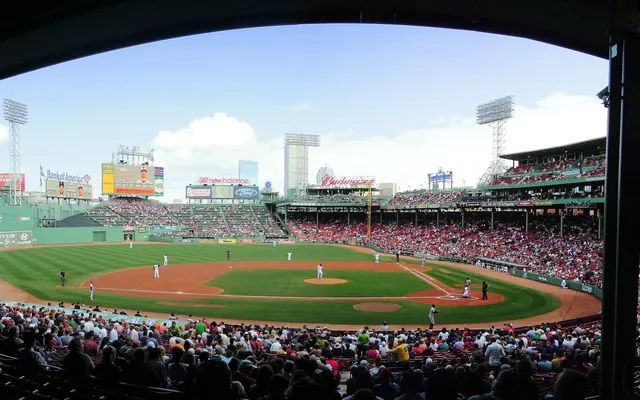
MLB ballpark seating charts comparison
| Venue | City | Home team or use | Capacity | Sections | Sun and shade | 360° |
|---|---|---|---|---|---|---|
| Fenway Park | Boston, MA | Boston Red Sox | 37,755 | 268 | Yes | Yes |
A baseball stadium’s shade pattern starts with field compass bearing. Official MLB guidelines recommend pointing home plate toward east-northeast so batters avoid the late sun, which puts the afternoon sun behind the third-base stands and shines directly into first-base and right-field seats. Classic parks like Boston Red Sox home Fenway Park, New York Yankees Bronx stands, Baltimore Orioles Camden Yards, Kansas City Royals, Detroit Tigers, Cleveland Guardians, Chicago White Sox, and Cincinnati Reds Great American Ball Park all follow distinct orientations and upper-deck overhang depths.
West Coast and warm-weather ballparks—including Los Angeles Dodgers, Los Angeles Angels, San Francisco Giants, San Diego Padres, New York Mets, Tampa Bay Rays, and Toronto Blue Jays—pair open-air bowls or retractable roofs with different afternoon sun angles. Open any MLB ballpark seat chart above to slide the clock in 30-minute steps, compare two sections side by side, and inspect roof cover, distance to home plate, and column sightline risks.
Ballparks seating questions
Which side of an MLB ballpark gets the most shade?
At most open-air Major League Baseball parks—including Fenway Park (Boston Red Sox), Camden Yards (Baltimore Orioles), and Great American Ball Park (Cincinnati Reds)—seats behind home plate and along the third-base line fall into shade first in the afternoon, while right field and first base stay sunny longest.
How is the ballpark shade percentage calculated?
We trace the sun’s altitude and azimuth in 30-minute intervals using NOAA solar equations and test every section against upper-deck overhangs and stadium wall heights. The percentage reflects the share of a three-hour baseball game spent in shade.
Do covered seats under the upper deck ever get direct sun?
Yes. Low late-afternoon sun can slide beneath a grandstand roof into front rows, especially on west-facing or north-facing sidelines. Check the 18-slot timeline on any ballpark seating chart to see exact shade windows.